Year
Duration
Location
Instructors
2024
4 Weeks
Brooklyn, New York
Molly Roberts
MINHWA
MINHWA
Cultural expression, assembled for modern living
Cultural expression, assembled for modern living
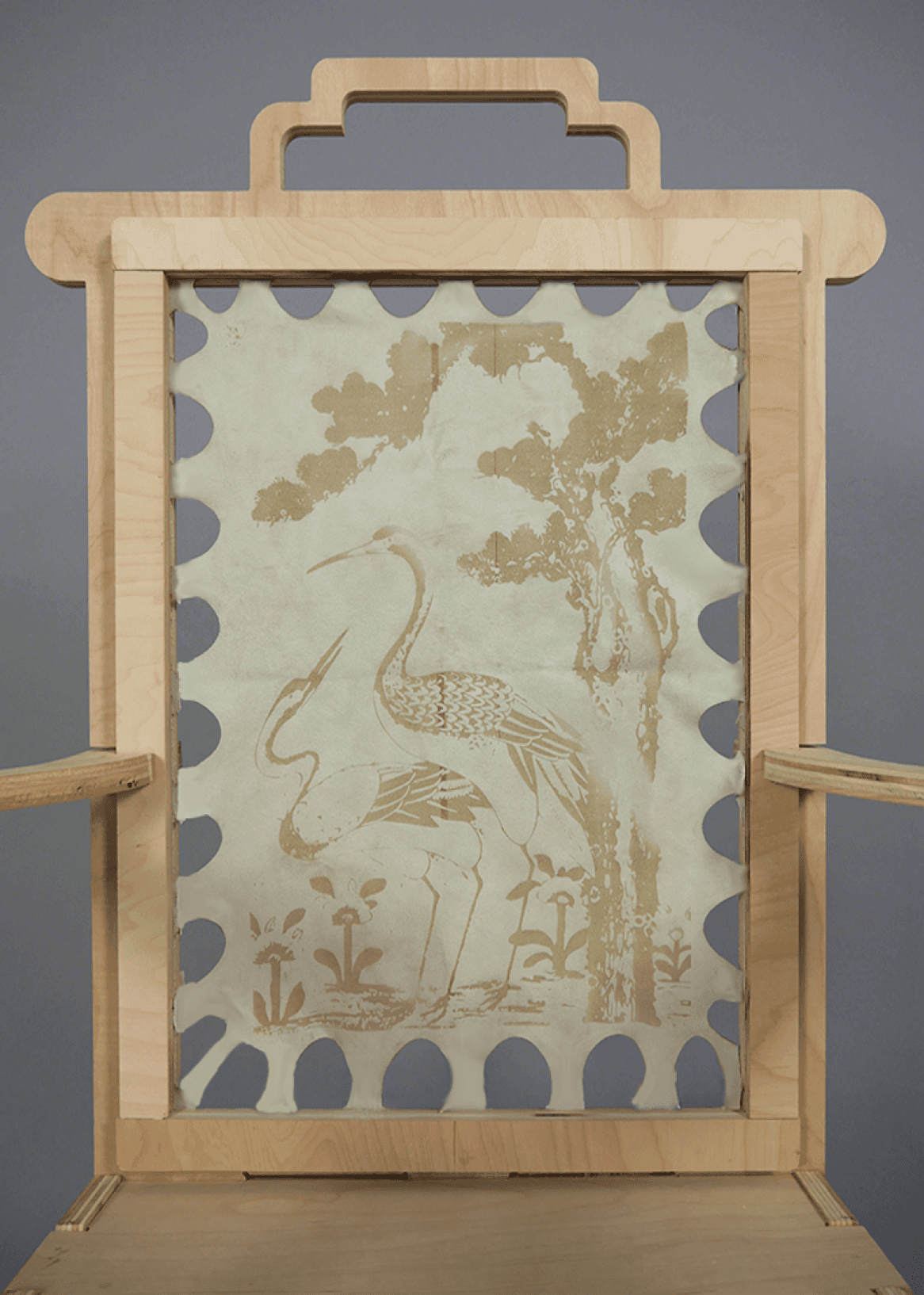
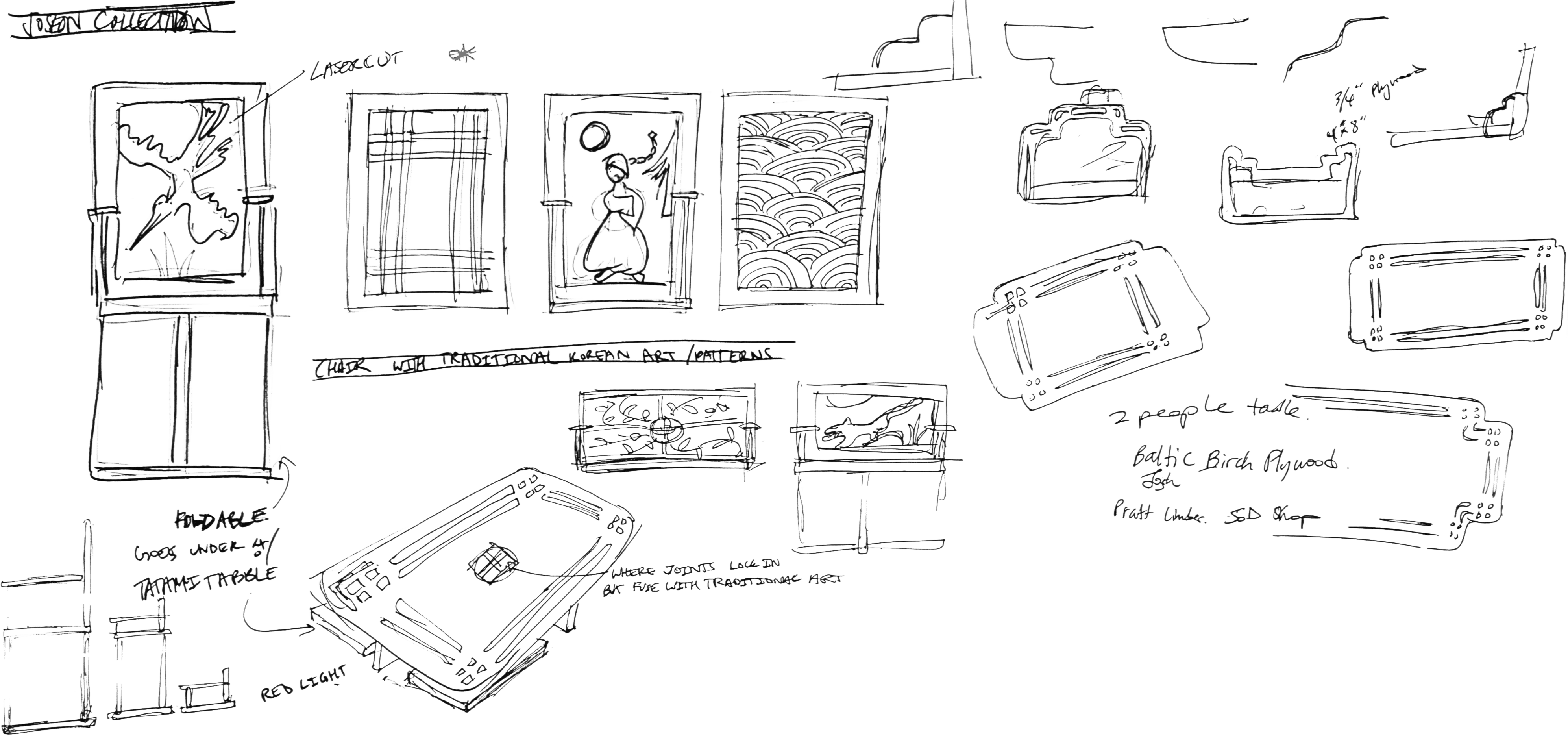
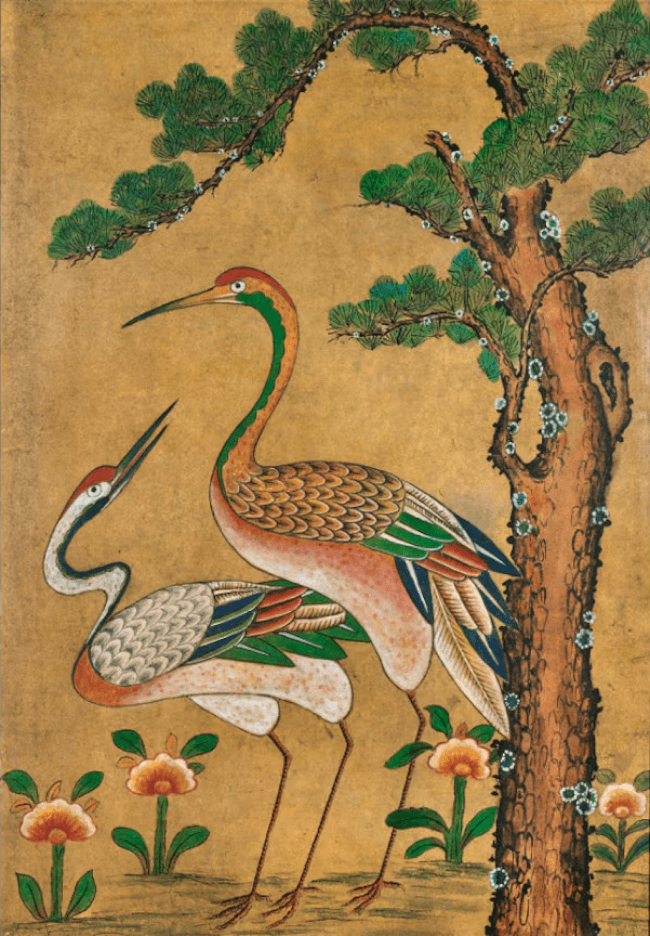
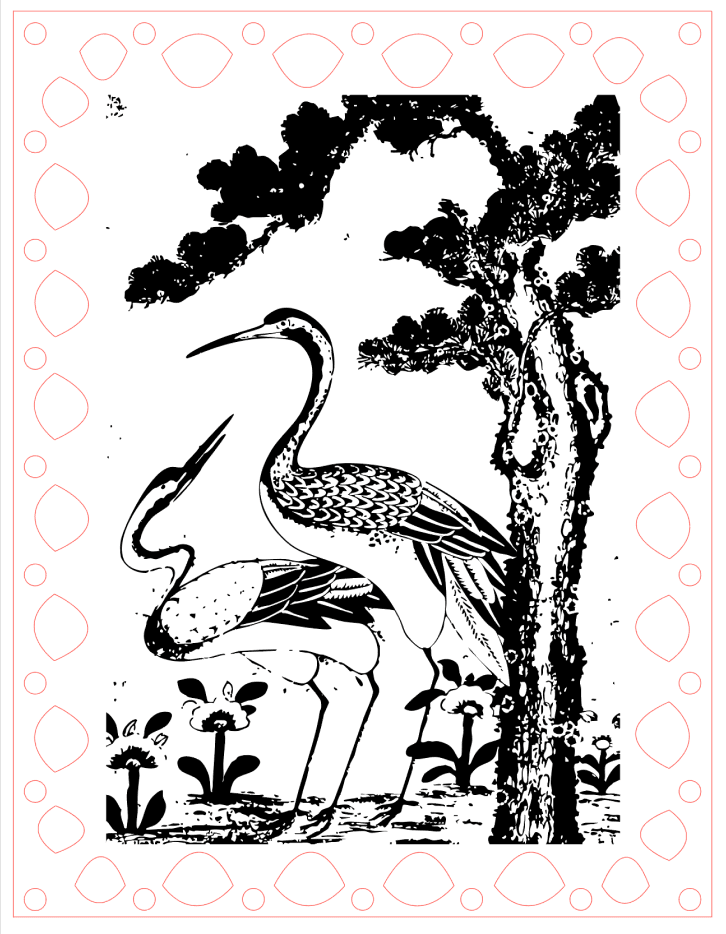
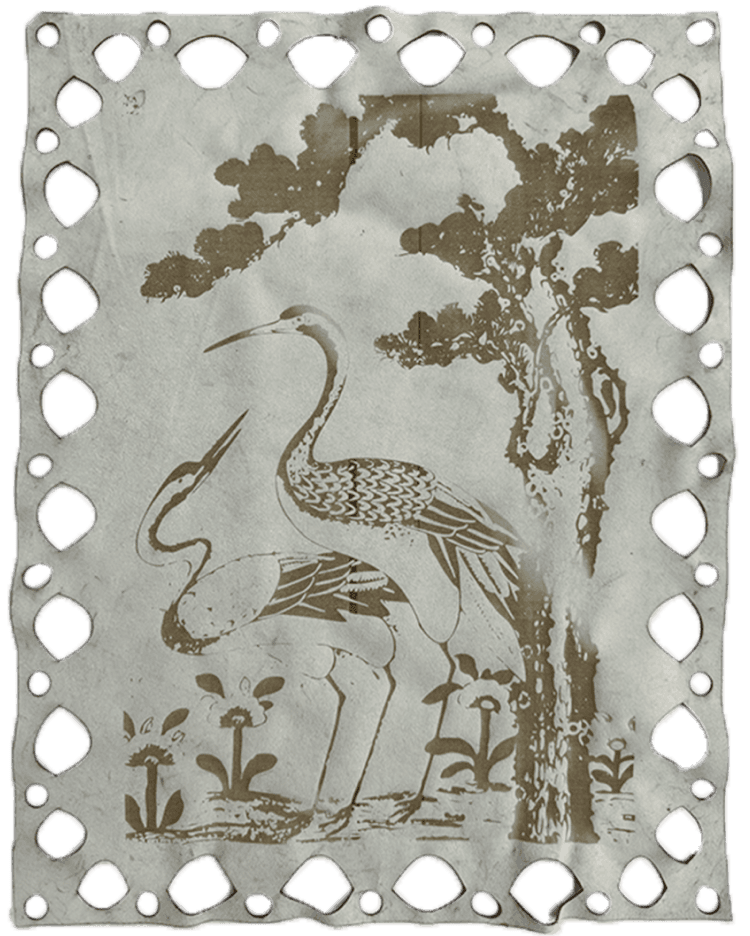
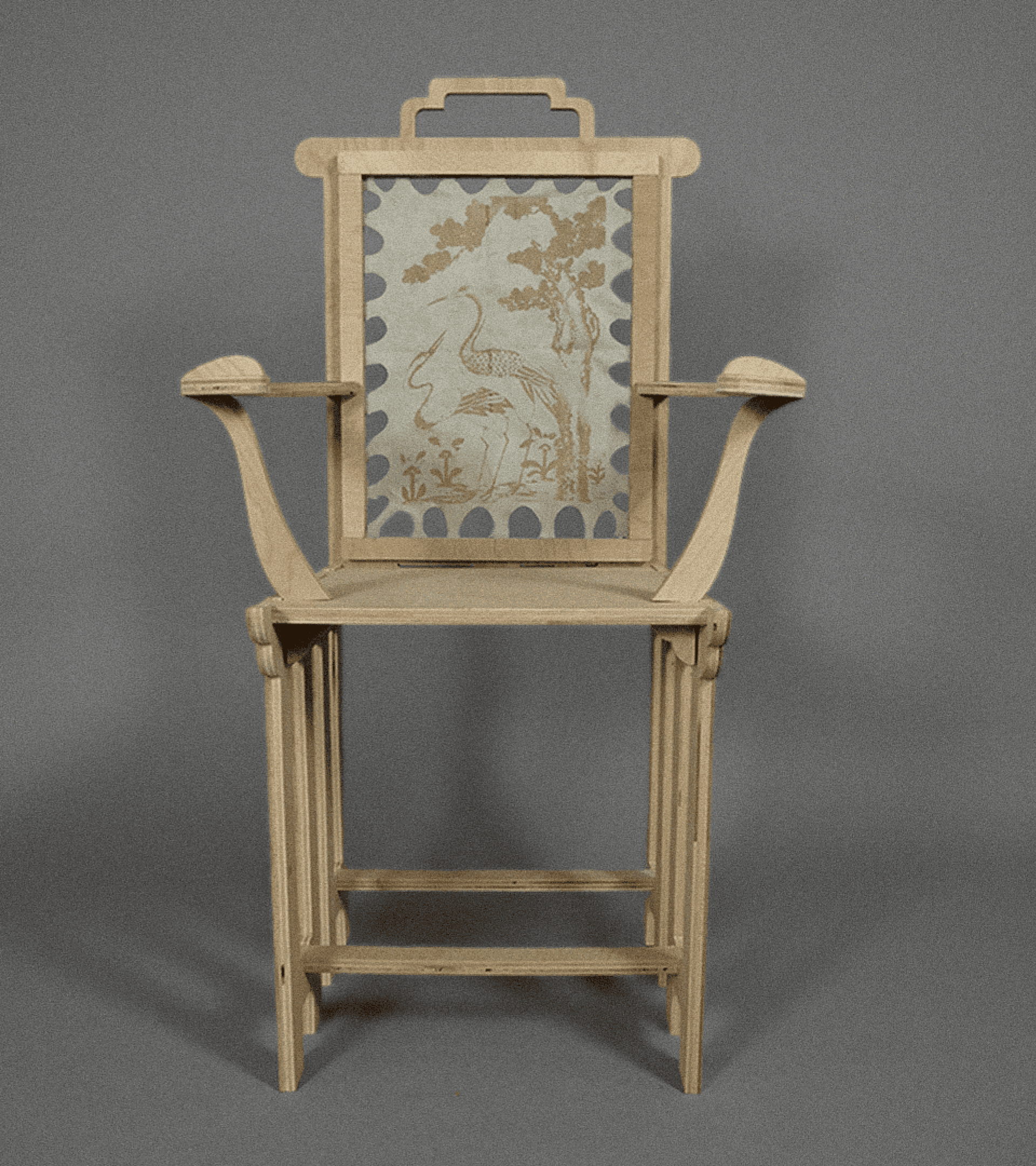
The upholstered back was laser-cut from suede leather fabric using an image trace of an antique minhwa painting.
Likewise, flat-pack furniture is a “design of the people” that has democratized access to furniture worldwide, yet often at the expense of cultural identity.
The Minhwa Chair is the beginning of a series that experiments with the fusion of historically ornate aesthetics and the functional simplicity of modern furniture.
Likewise, flat-pack furniture is a “design of the people” that has democratized access to furniture worldwide, yet often at the expense of cultural identity.
The Minhwa Chair is the beginning of a series that experiments with the fusion of historically ornate aesthetics and the functional simplicity of modern furniture.
CONTEXT
MODERN + MINWHA
Minhwa is a traditional Korean folk art style known for its vibrant colors and symbolic depictions of nature, animals, people, and everyday objects.
Prominent during the Joseon Dynasty, the name translates to “painting of the people”—a fitting tribute to the anonymous artists who sought to capture the spirit of their surroundings and daily lives.
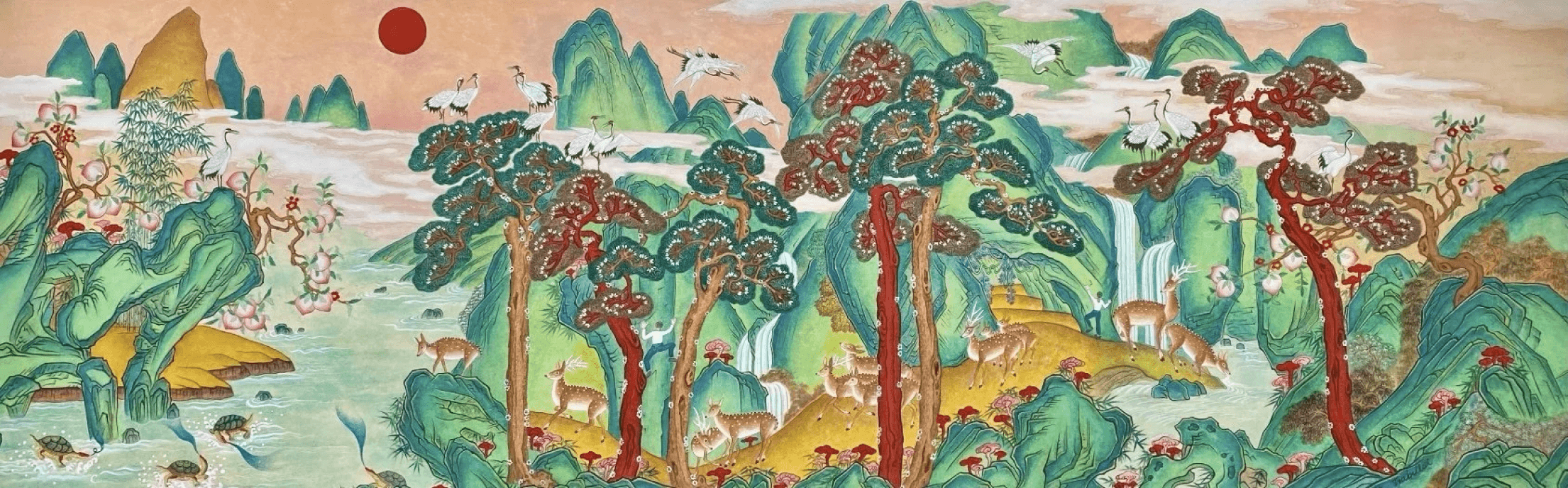
Longevity, 2018. Kate Oh, a Korean artist based in New York, recreates the minhwa in a contemporary style.
Longevity, 2018. Kate Oh, a Korean artist based in New York, recreates the minhwa in a contemporary style.
Longevity, 2018. Kate Oh, a Korean artist based in New York, recreates the minhwa in a contemporary style.
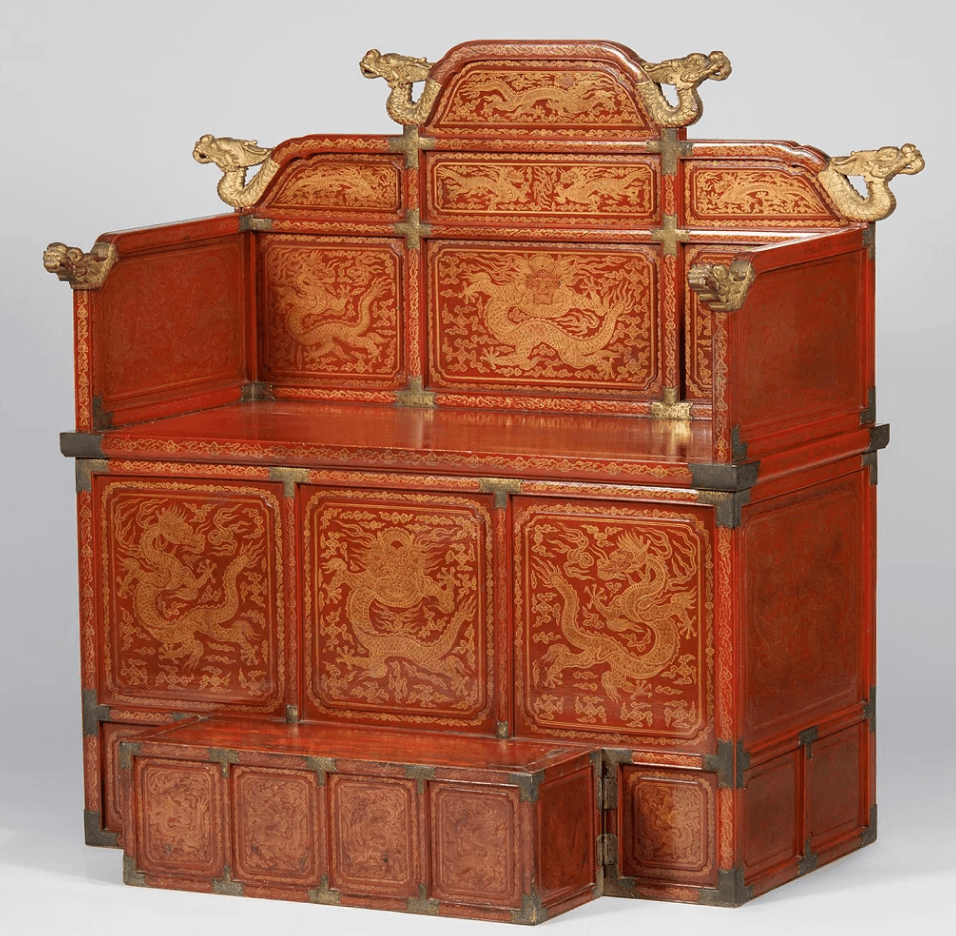
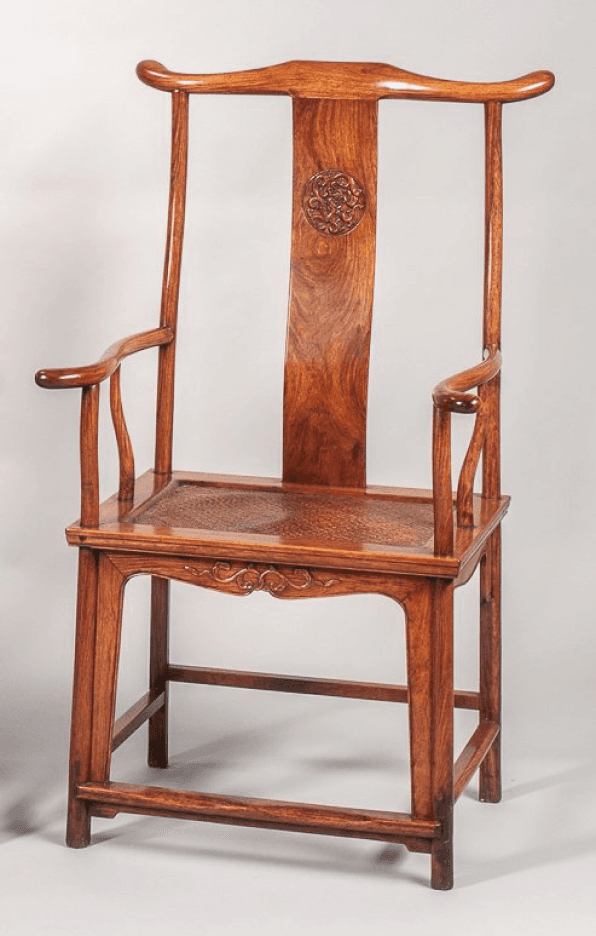
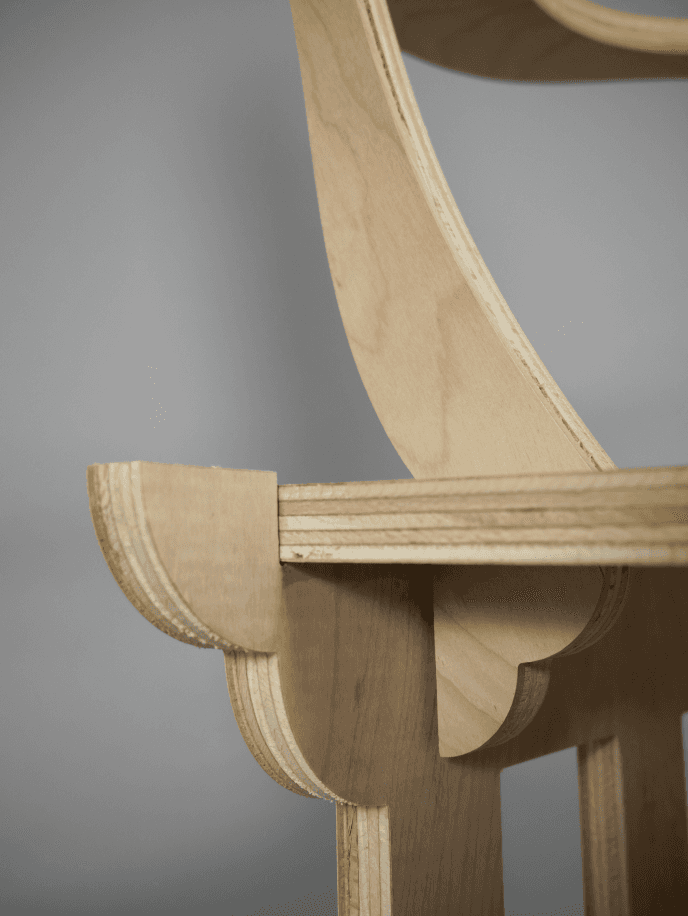
The Minhwa Chair draws much inspiration from the form and ornamentation of royal Joseon furnitures.
PROCESS
DIGITAL FABRICATION
PROCESS
DIGITAL FABRICATION
PROCESS
DIGITAL FABRICATION
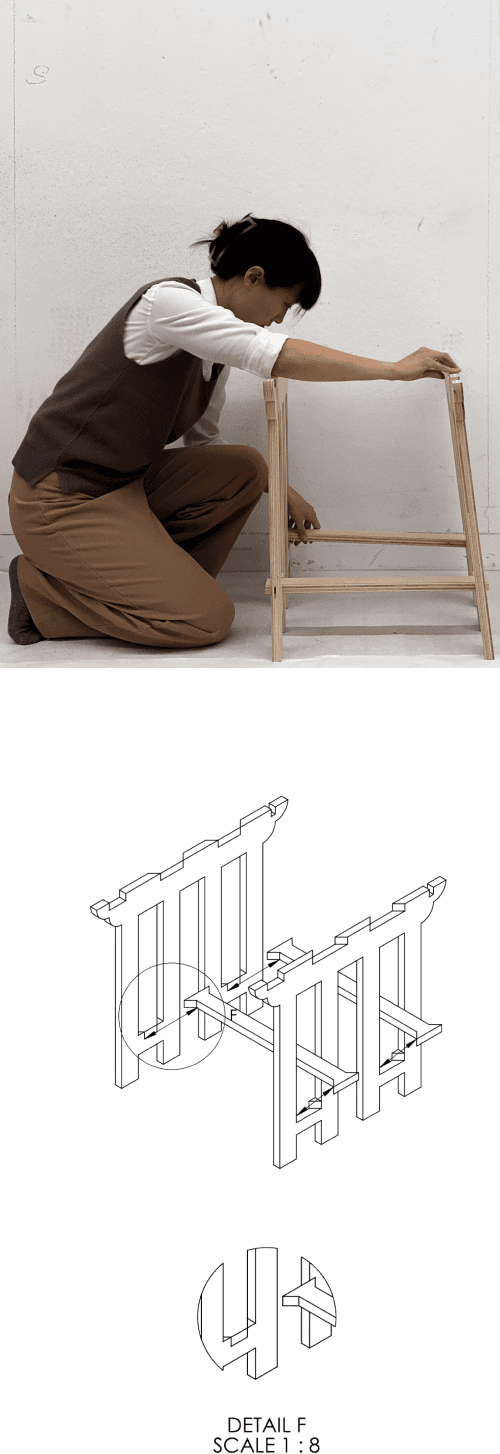
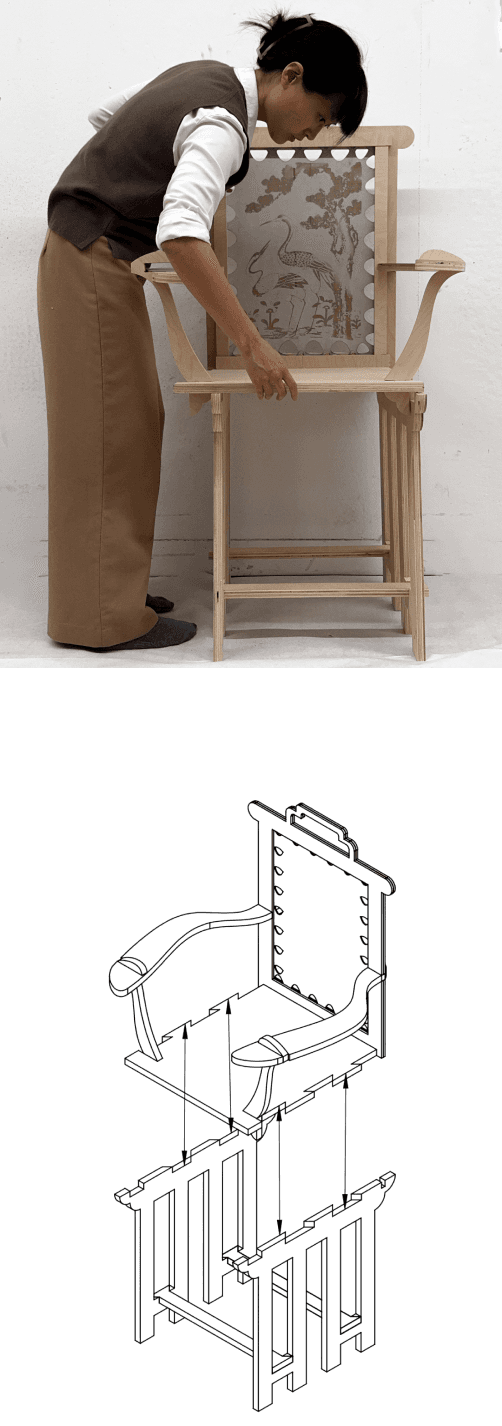
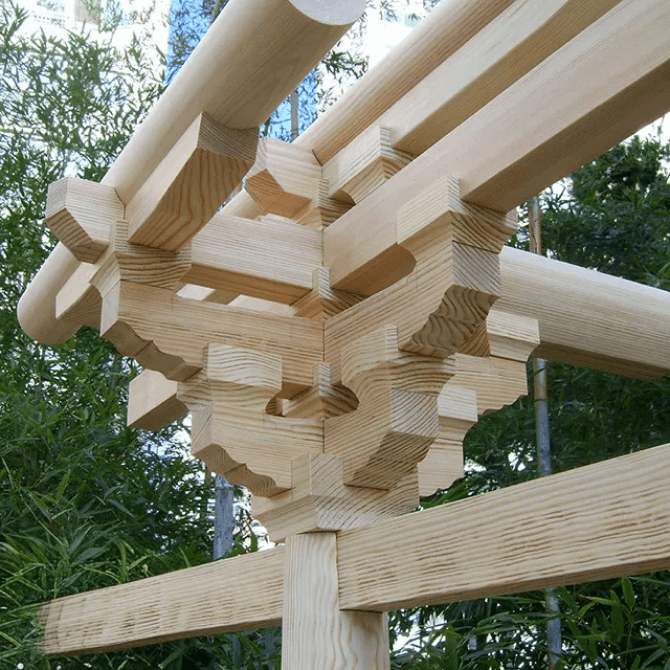
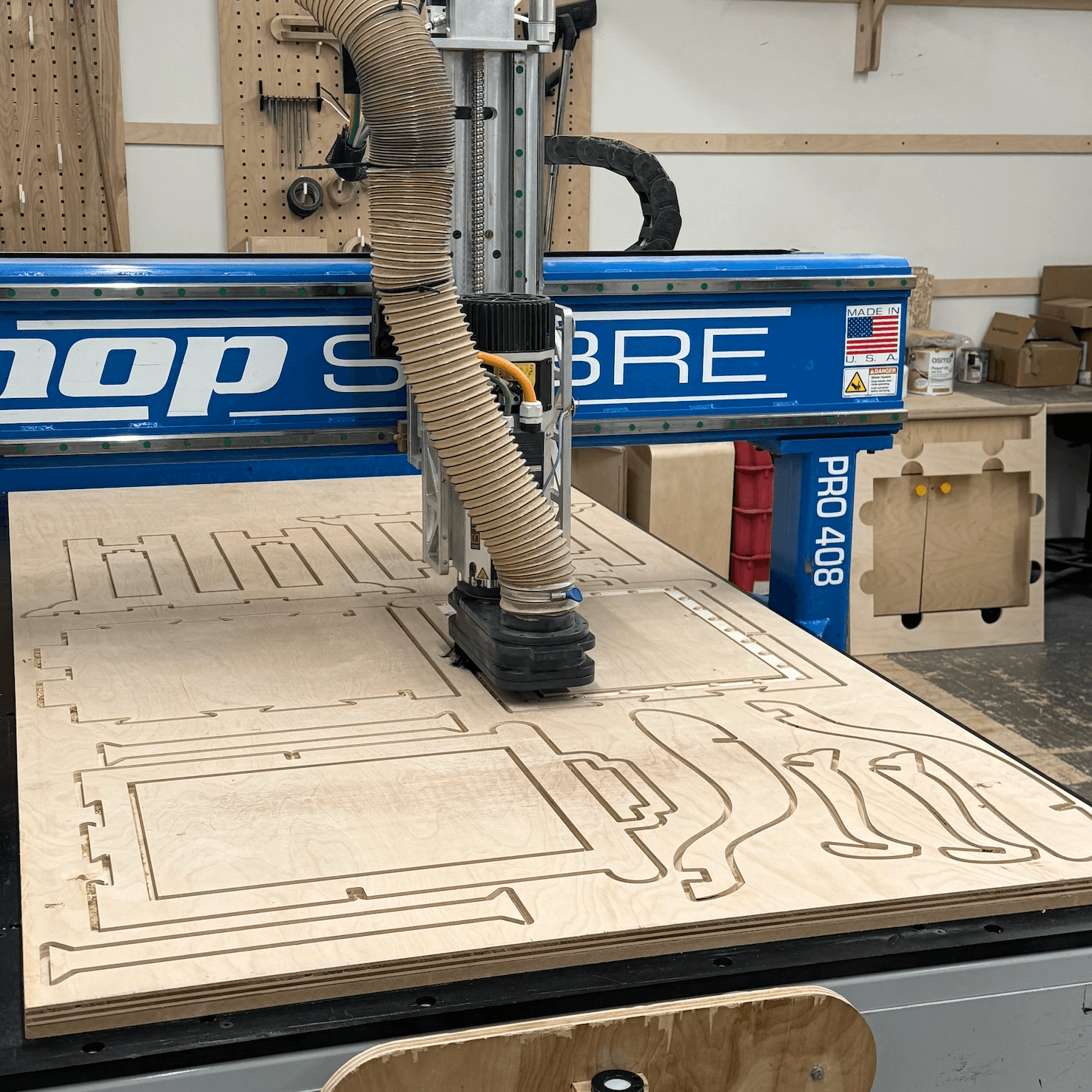
Through CNC machining, flat-pack components were cut from ½-inch plywood with slotting, finger, and dovetail joints inspired by Hanok roof construction, the interlocking timber systems of traditional Korean houses.
Through CNC machining, flat-pack components were cut from ½-inch plywood with slotting, finger, and dovetail joints inspired by Hanok roof construction, the interlocking timber systems of traditional Korean houses.
Through CNC machining, flat-pack components were cut from ½-inch plywood with slotting, finger, and dovetail joints inspired by Hanok roof construction, the interlocking timber systems of traditional Korean houses.
Year
2024
Duration
4 Weeks
Location
Brooklyn, New York
Instructors
Molly Roberts
Minhwa is a traditional Korean folk art style known for its vibrant colors and symbolic depictions of nature, animals, people, and everyday objects.
Minhwa is a traditional Korean folk art style known for its vibrant colors and symbolic depictions of nature, animals, people, and everyday objects.
Prominent during the Joseon Dynasty, the name translates to “painting of the people”—a fitting tribute to the anonymous artists who sought to capture the spirit of their surroundings and daily lives.
Prominent during the Joseon Dynasty, the name translates to “painting of the people”—a fitting tribute to the anonymous artists who sought to capture the spirit of their surroundings and daily lives.
CONTEXT
MODERN + MINWHA
CONTEXT
MODERN + MINWHA
The upholstered back was laser-cut from suede leather fabric using an image trace of an antique minhwa painting.
The upholstered back was laser-cut from suede leather fabric using an image trace of an antique minhwa painting.
TESTING
ASSEMBLY
TESTING
ASSEMBLY
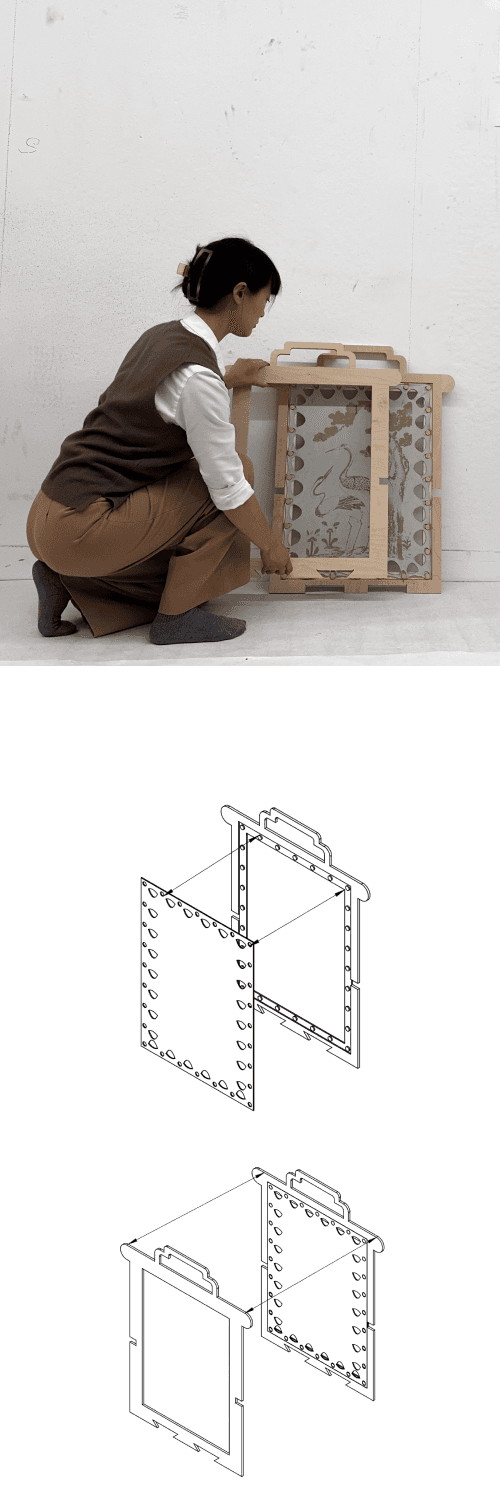
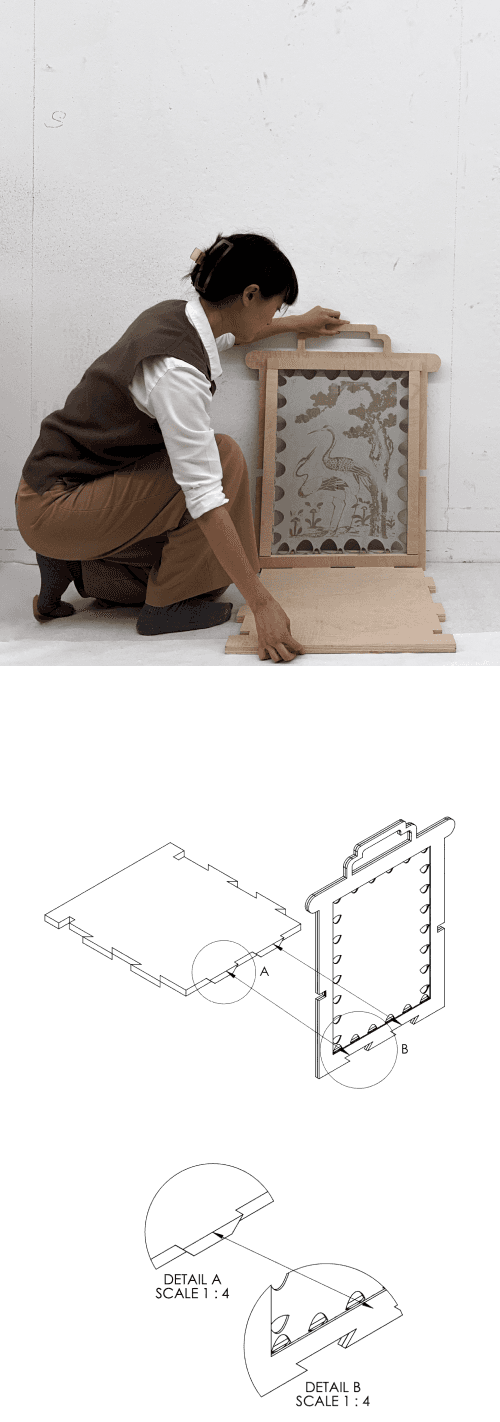
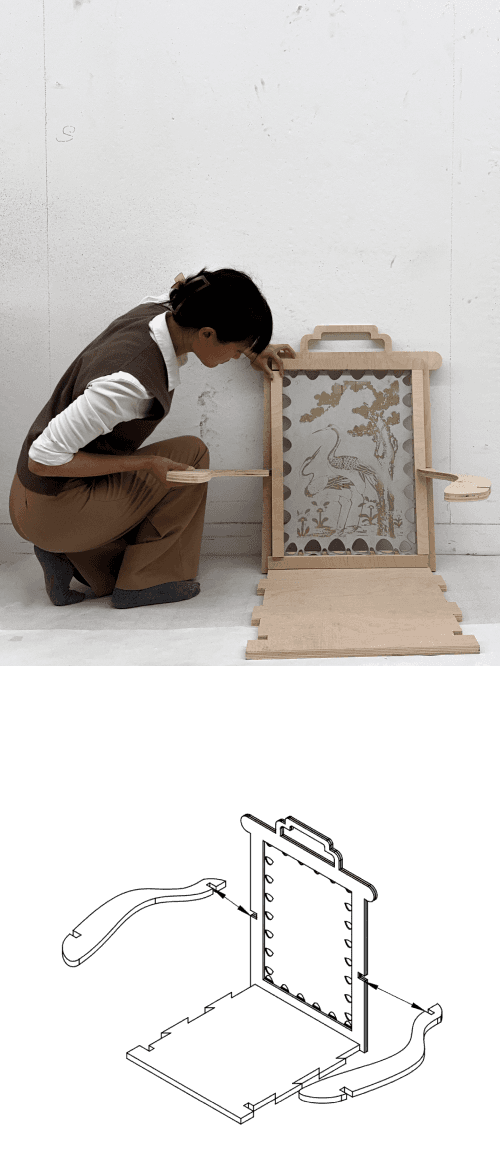
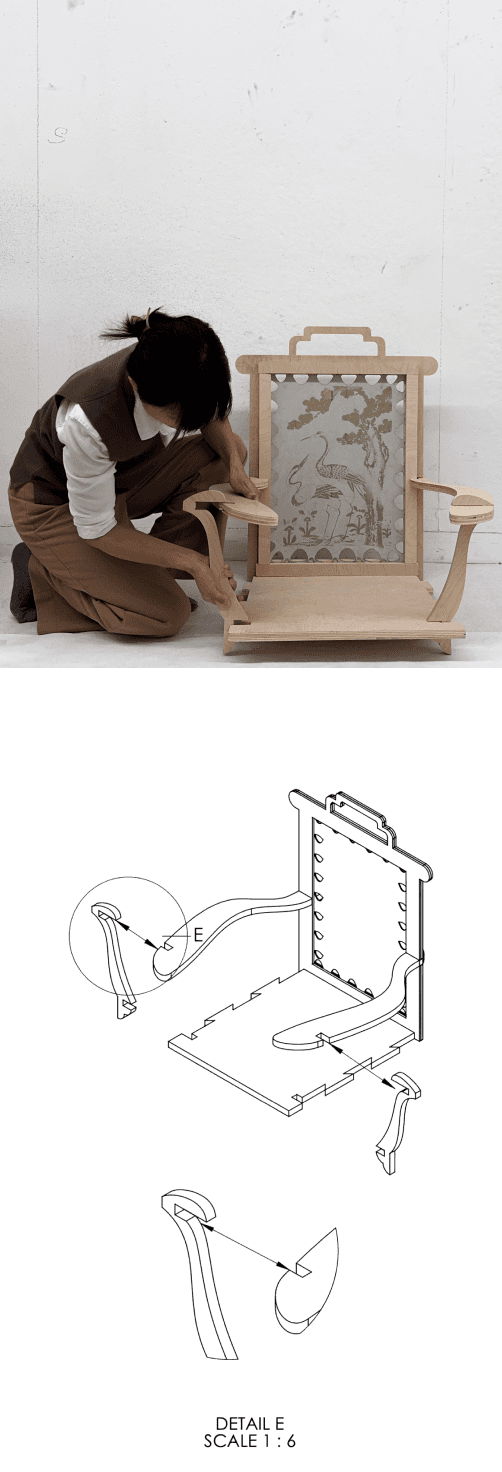
The assemblage of the chair requires no hardware, as the joinery keeps the parts in place.
The assemblage of the chair requires no hardware, as the joinery keeps the parts in place.
Year
2025
Duration
4 Weeks
Location
Brooklyn, New York
Instructors
Molly Roberts
Likewise, flat-pack furniture is a “design of the people” that has democratized access to furniture worldwide, yet often at the expense of cultural identity.
The Minhwa Chair is the beginning of a series that experiments with the fusion of historically ornate aesthetics and the functional simplicity of modern furniture.
The Minhwa Chair draws much inspiration from the form and ornamentation of royal Joseon furnitures.
Although exemplified through Korean art, the Minhwa suggests how functional designs could embrace rather than reduce personal or cultural aesthetics.
Continued explorations would simplify the chair’s construction, so that the chair acts as a versatile frame for displaying artwork and visual narratives across cultures.
FINAL FORM
FOLK ART FUNCTIONAL
Although exemplified through Korean art, the Minhwa suggests how functional designs could embrace rather than reduce personal or cultural aesthetics.
Continued explorations would simplify the chair’s construction, so that the chair acts as a versatile frame for displaying artwork and visual narratives across cultures.
FINAL FORM
FOLK ART FUNCTIONAL
TESTING
ASSEMBLY
The assemblage of the chair requires no hardware, as the joinery keeps the parts in place.
Although exemplified through Korean art, the Minhwa suggests how functional designs could embrace rather than reduce personal or cultural aesthetics.
Continued explorations would simplify the chair’s construction, so that the chair acts as a versatile frame for displaying artwork and visual narratives across cultures.
FINAL FORM
FOLK ART FUNCTIONAL
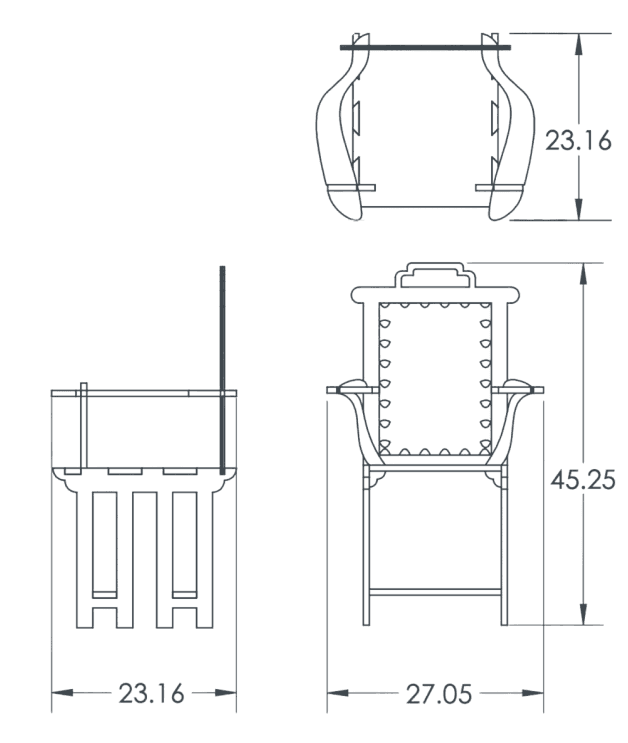
The chair was modeled in SolidWorks, then vectors of each piece were flattened for the machine to read.
The chair was modeled in SolidWorks, then vectors of each piece were flattened for the machine to read.
The chair was modeled in SolidWorks, then vectors of each piece were flattened for the machine to read.