What makes it such a unique dining experience are the numerous components involved.
Dishes are typically carried back and forth on a large tray called jaengban which includes:
Banchan Bowl
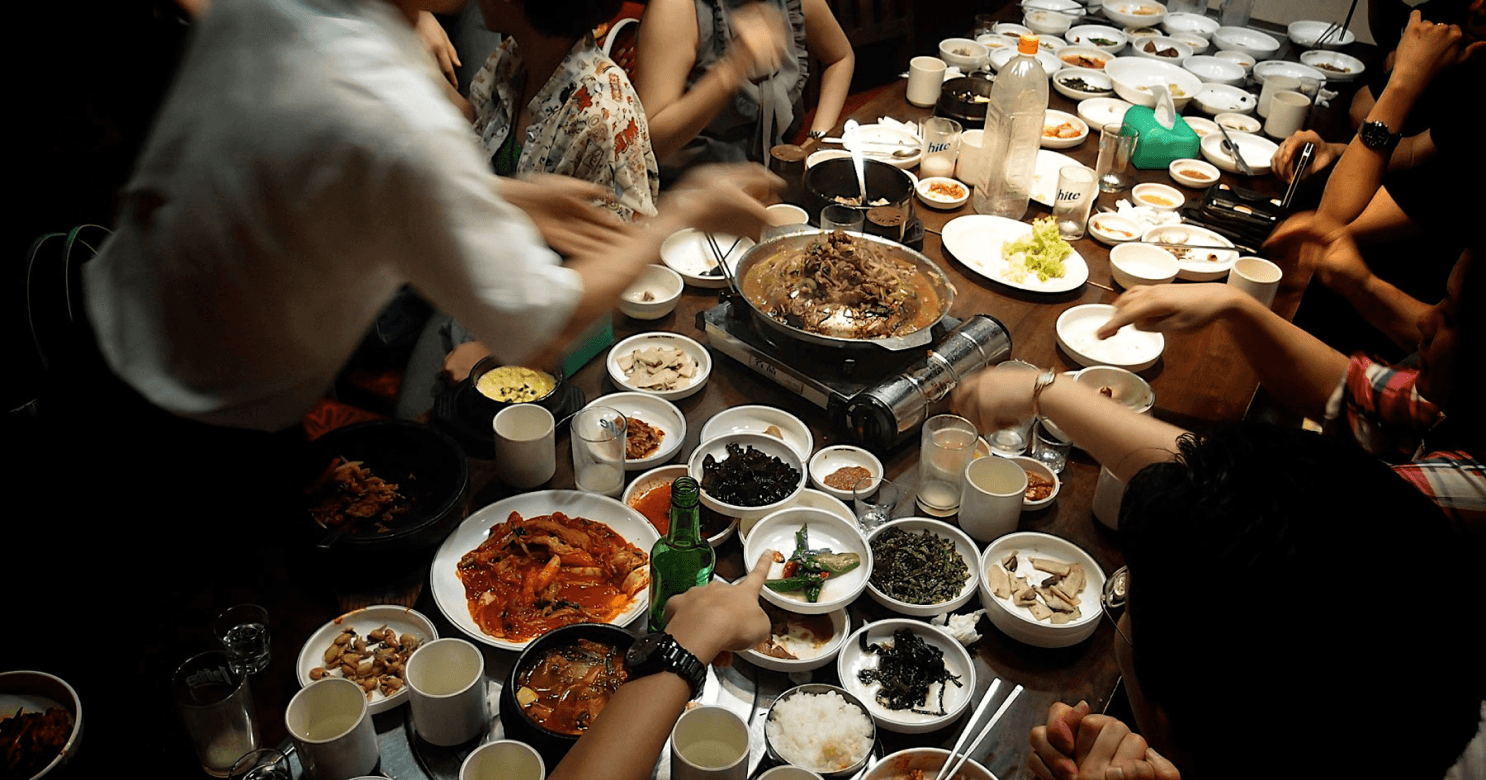
For large gatherings, households and restaurants typically array multiple gyojasang—low, folding tatami tables—in a single line, spreading banchan and dishes across them.
For large gatherings, households and restaurants typically array multiple gyojasang—low, folding tatami tables—in a single line, spreading dishes across them.
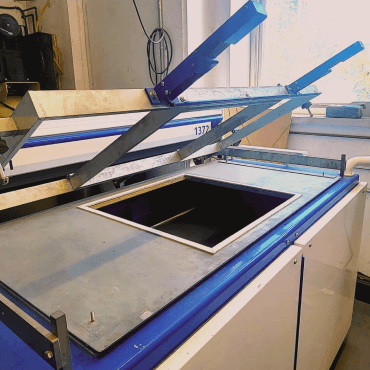
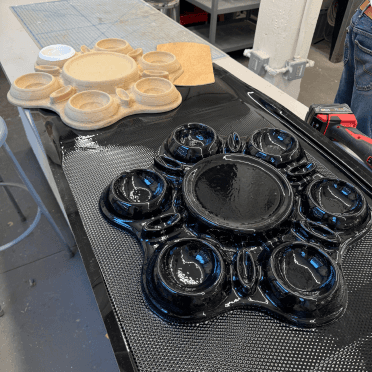
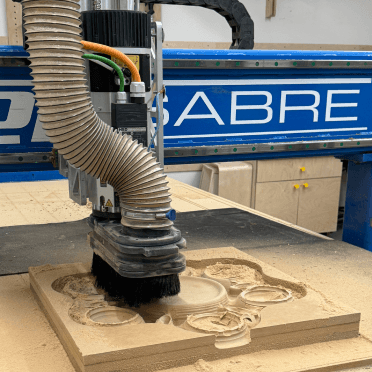
A CNC-machined mold was fabricated to withstand the pressure of the vacuum former, onto which a sheet of ABS plastic was formed.
A CNC-machined mold was fabricated to withstand the pressure of the vacuum former, onto which a sheet of ABS plastic was formed.
Limited table space
Limited table space
Limited table space
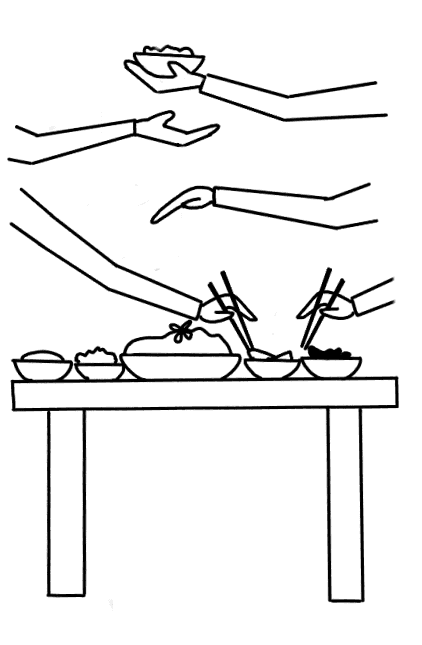
Diners constantly reach for and pass side dishes
Diners constantly reach for and pass side dishes
Diners constantly reach for and pass side dishes
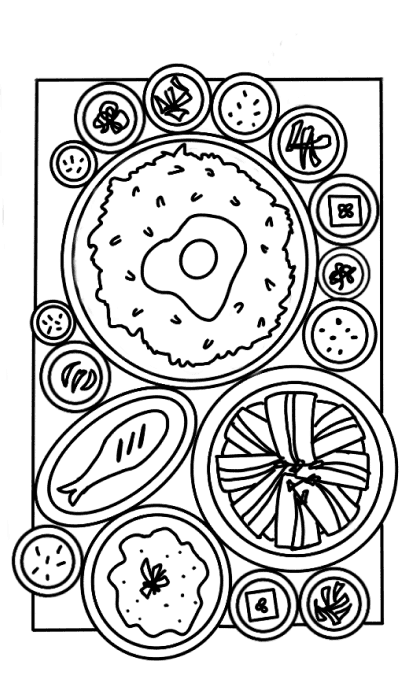

Although the abundance of the shiksa is its unique appeal, the sheer number of plates introduces frictions that can detract from the experience.
Although the abundance of the shiksa is its unique appeal, the sheer number of plates introduces frictions that can detract from the experience.
Piles of plates to wash
Piles of plates to wash
Piles of plates to wash
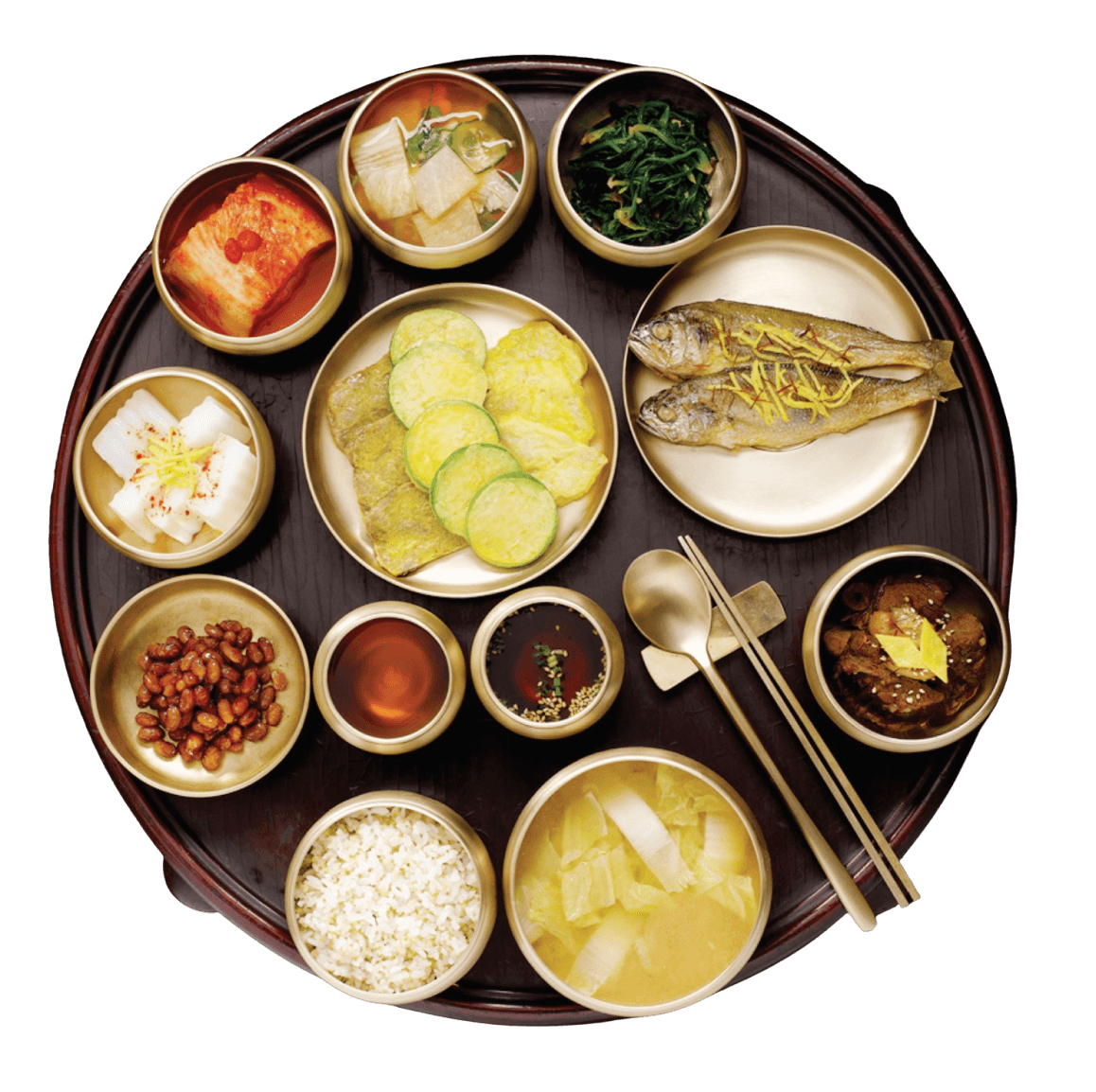
Jang - Dipping sauces
Jang - Dipping sauces
Jang - Dipping sauces
What makes it such a unique dining experience are the numerous components involved.
Dishes are typically carried back and forth on a large tray called jaengban which includes:
What makes it such a unique dining experience are the numerous components involved.
Dishes are typically carried back and forth on a large tray called jaengban which includes:
Banchan - Side dishes, commonly served in sets ranging from four to ten
Banchan - Side dishes, commonly served in sets ranging from four to ten
Yori - Main dish cooked fresh for the meal
Yori - Main dish cooked fresh for the meal
Bap + Guk - Individual servings of rice and soup
Bap + Guk - Individual servings of rice and soup

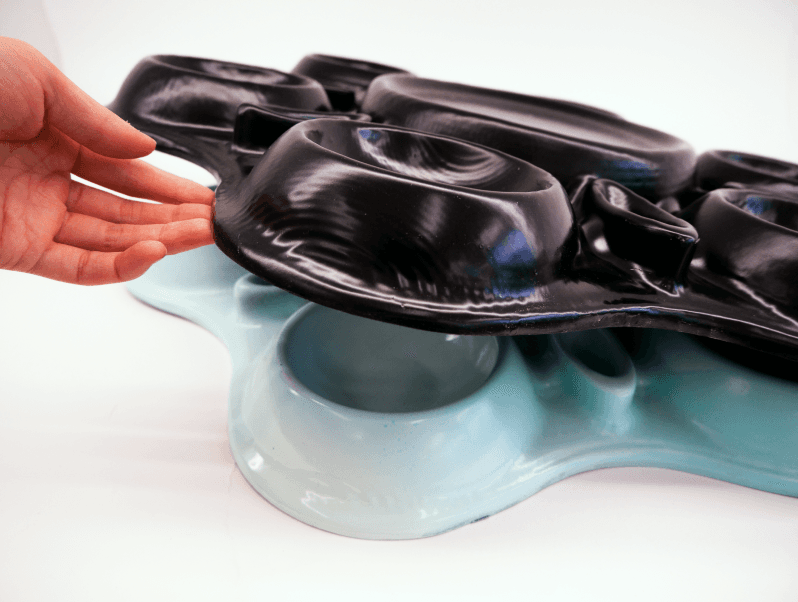
Stackable form
Stackable form
Stackable form
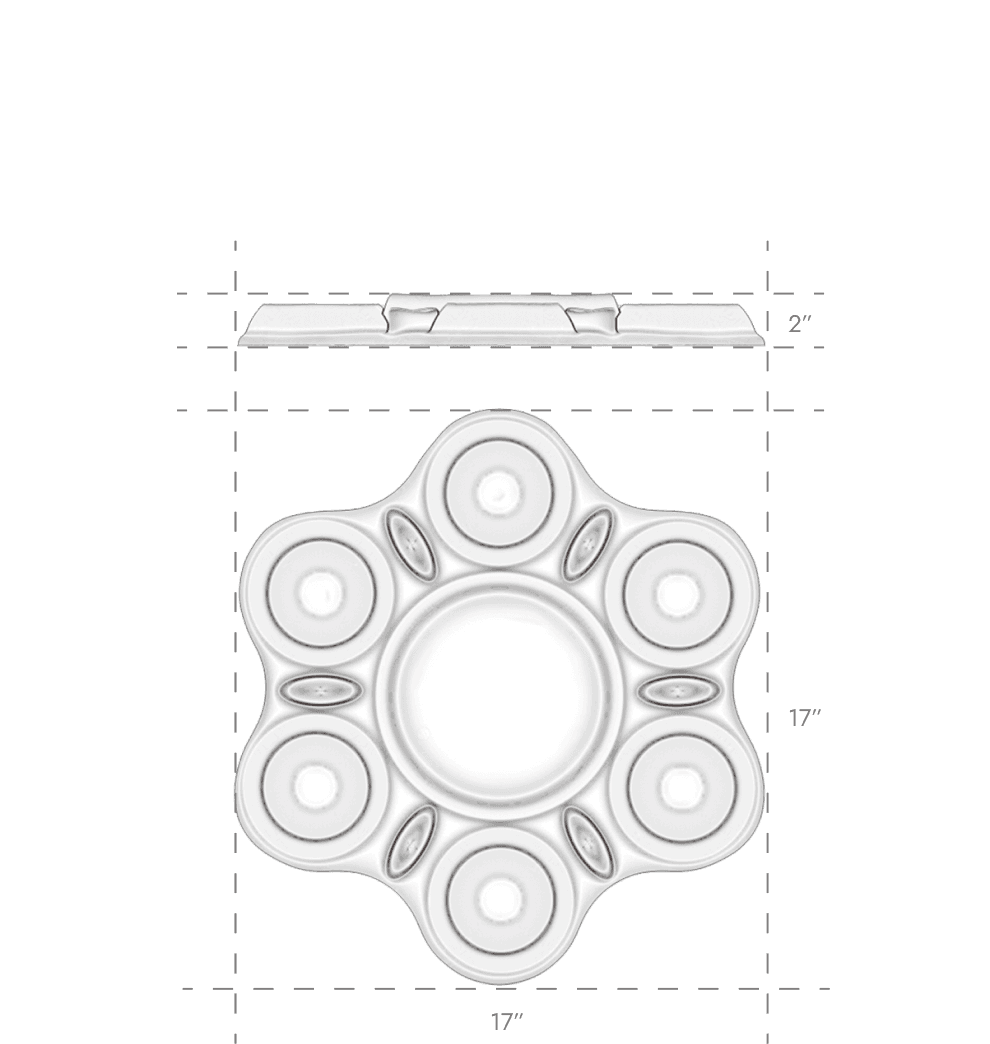
Table space is optimized with the sauce dishes nestled between the bowls, while the curved edges make it easy to place other dishes or Youri’s beside them.
Table space is optimized with the sauce dishes nestled between the bowls, while the curved edges make it easy to place other dishes or Youri’s beside them.
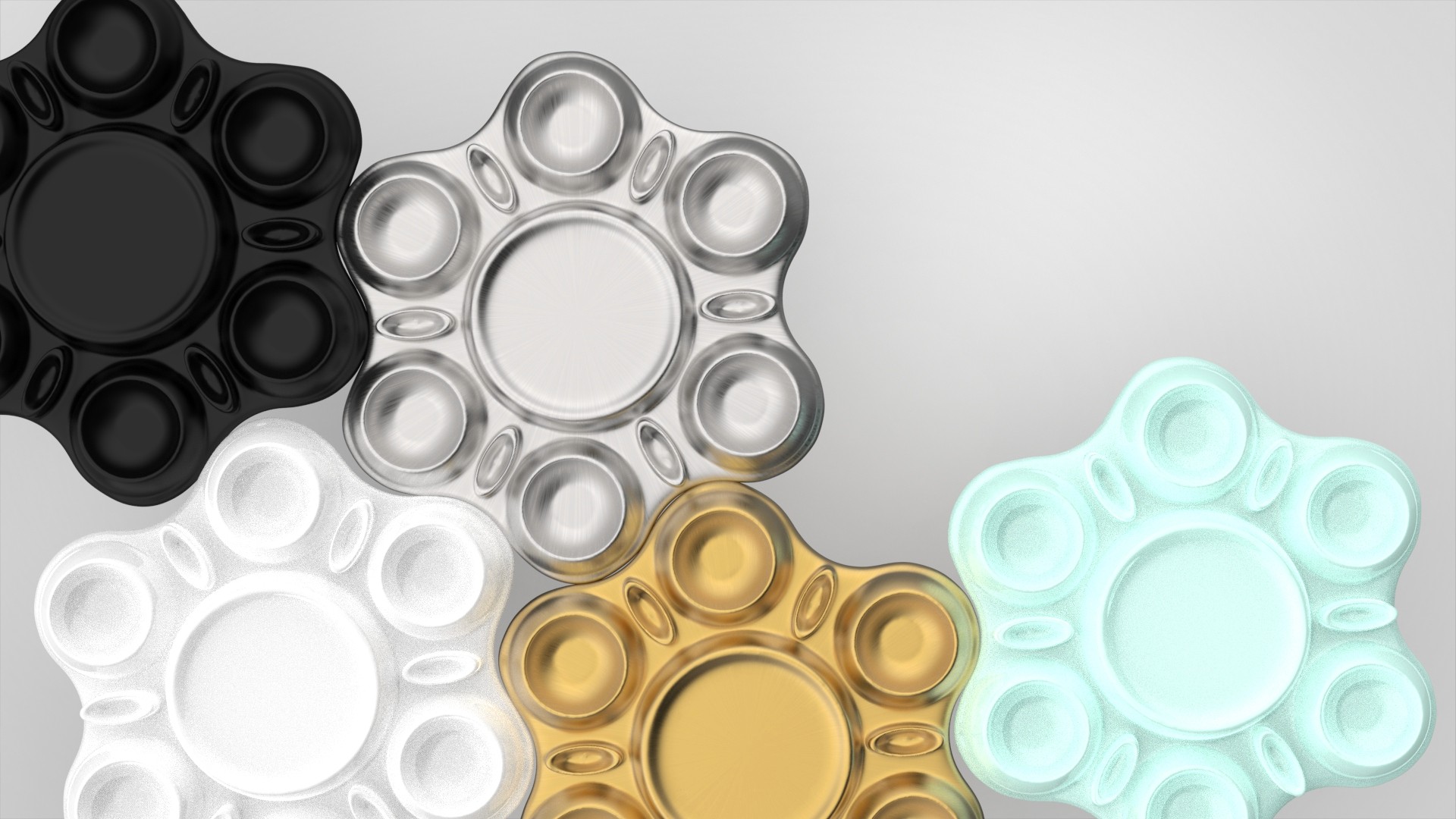
Later versions of the Youri would look into different materials and color like melamine or silver- and gold-finished stainless steel, drawing from common Korean dishware.
Later versions of the Youri would look into different materials and color like melamine or silver- and gold-finished stainless steel, drawing from common Korean dishware.
Later versions of the Youri would look into different materials and color like melamine or silver- and gold-finished stainless steel, drawing from common Korean dishware.
YOURI
YOURI
A modern solution to a centuries-old tradition of Korean dining
A modern solution to a centuries-old tradition of Korean dining
Year
2024
Duration
4 Weeks
Location
Brooklyn, New York
Instructors
George Eistreich
IDEATION
DESIGN ON TRADITION
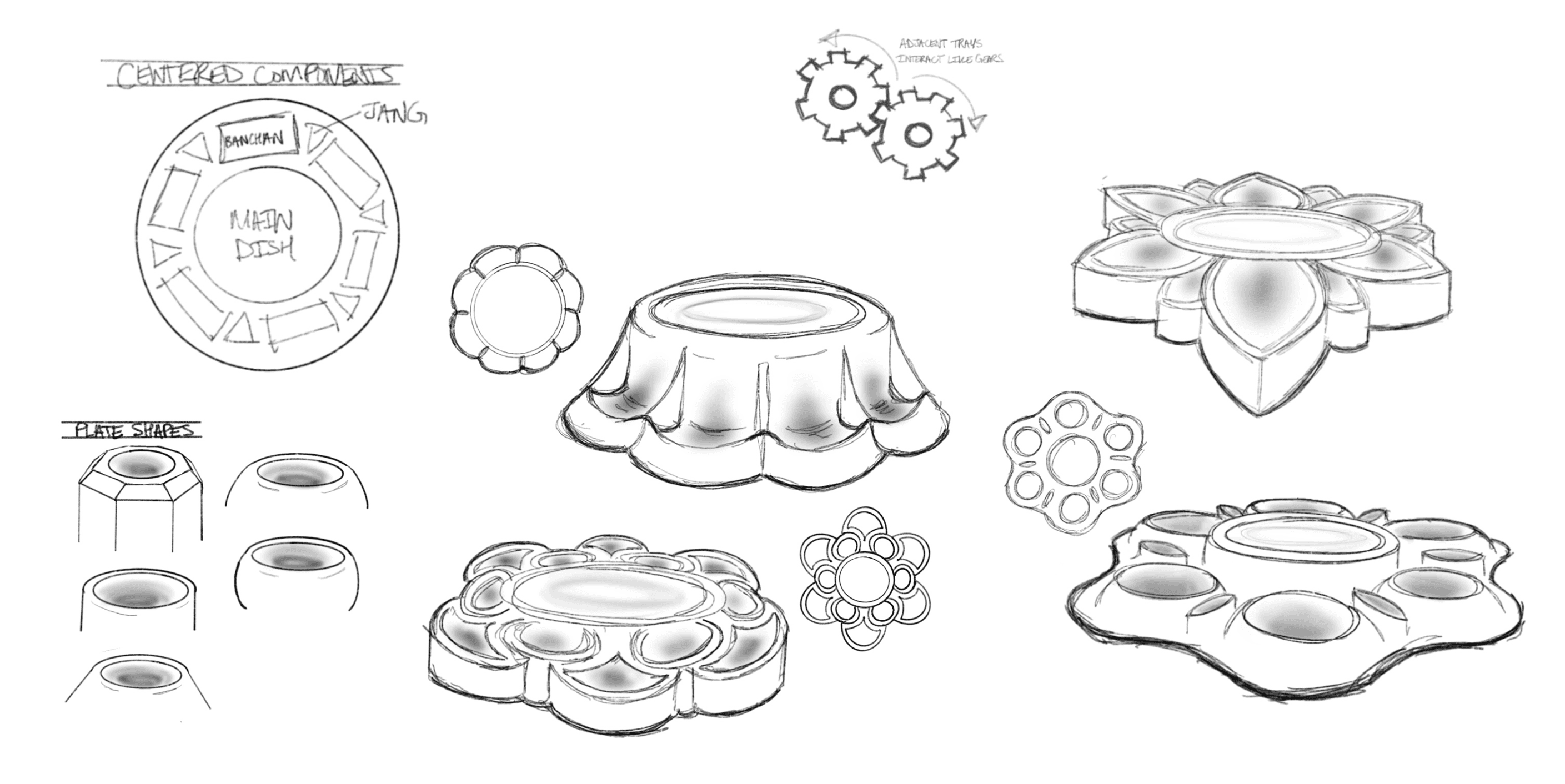
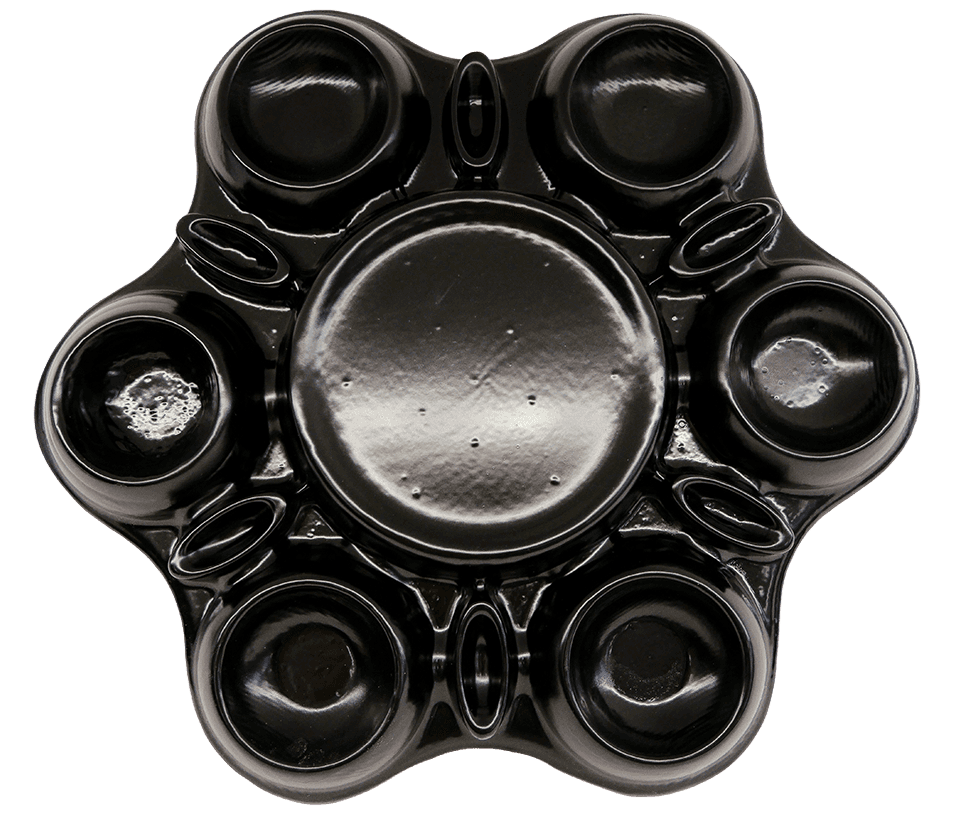
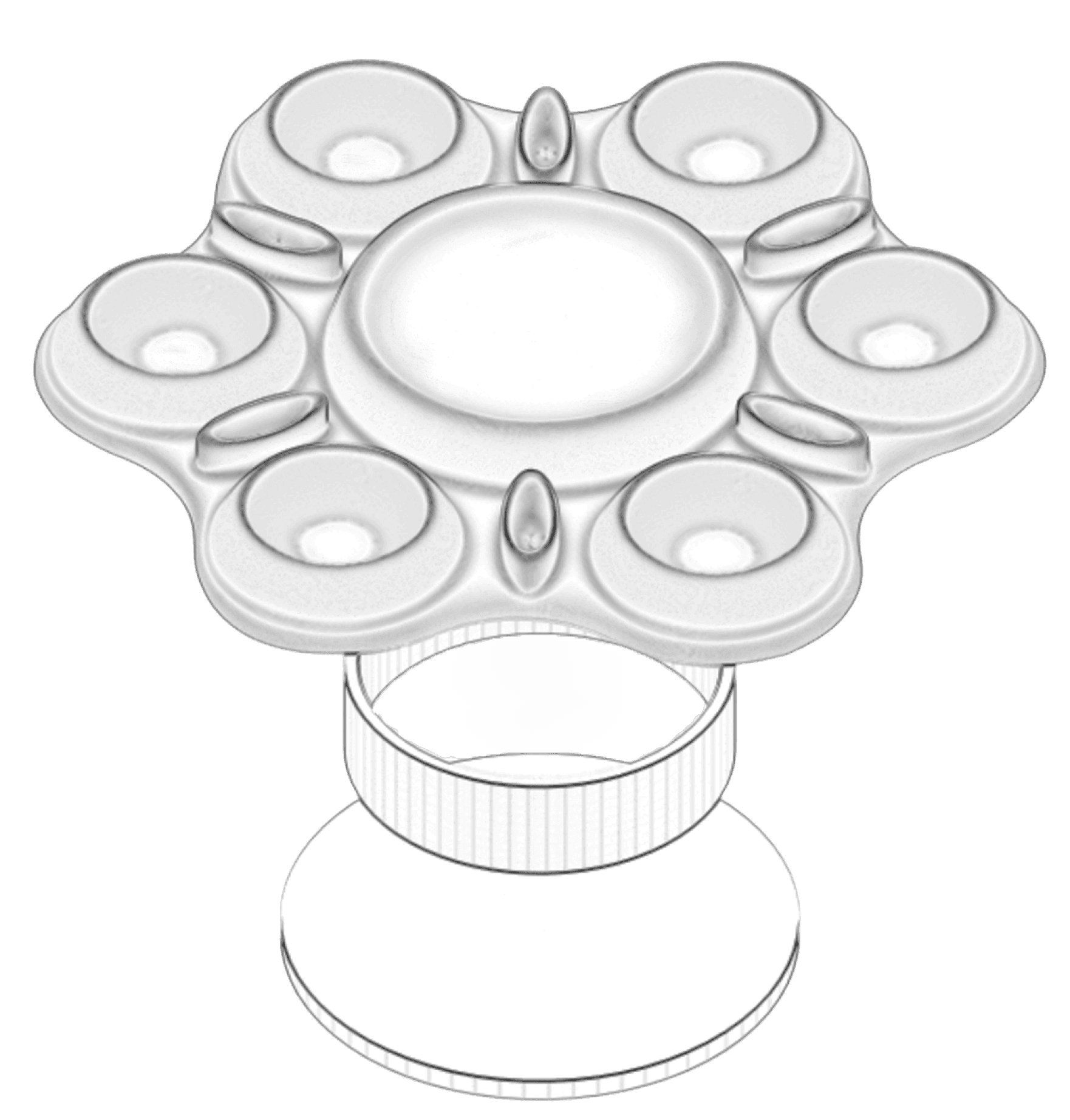
Inspired by the jaengban tray, the design explores a singular tableware piece that consolidates all the shared elements of the meal.
Echoing the floral patterns of dancheong, the traditional Korean art in palaces and temples, the structure optimizes space and movement for the diners.
FINAL FORM
RITUAL IN MOTION
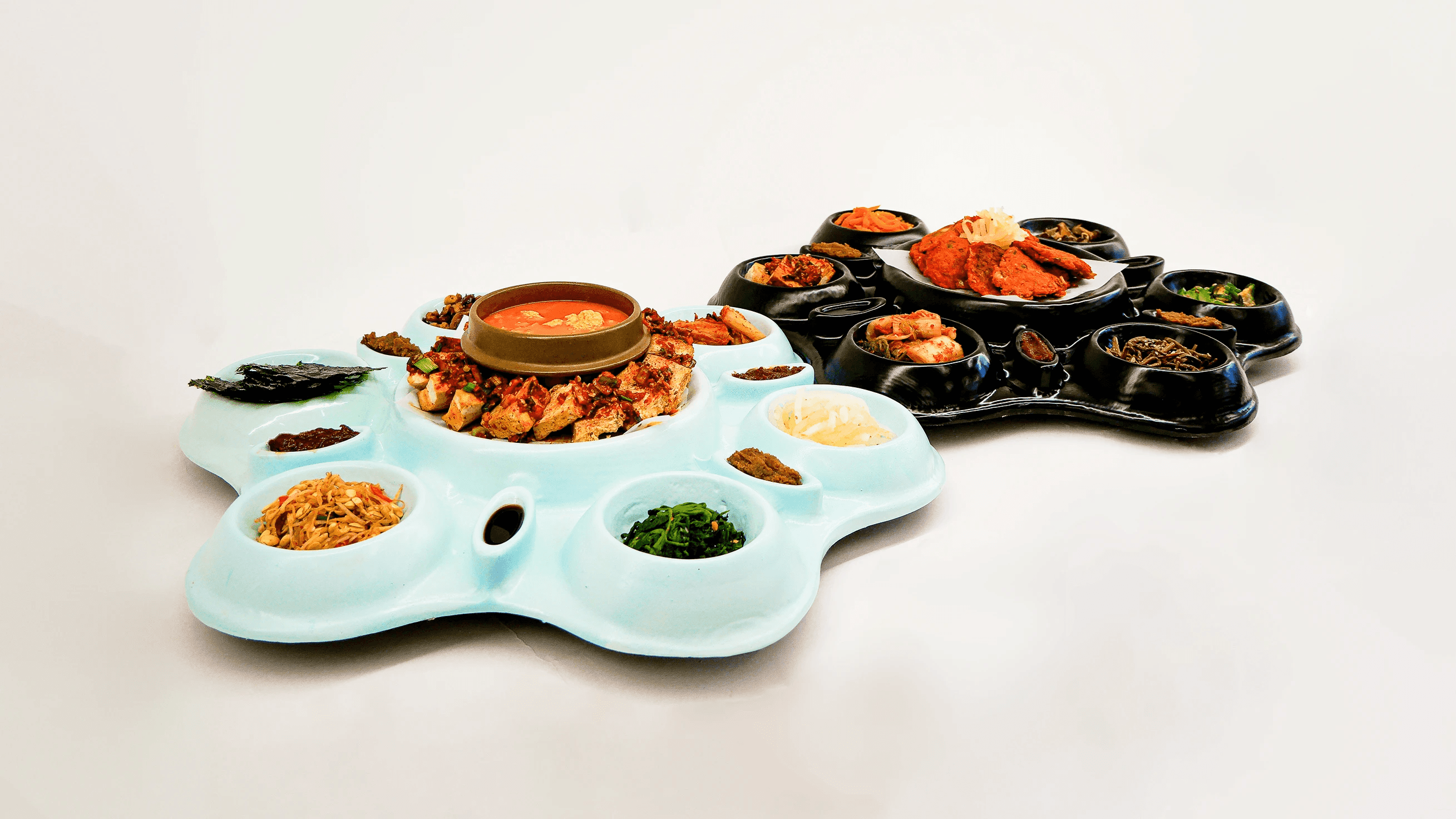
In an increasingly fast-paced world where modern life and work can feel isolating, the Youri becomes a vessel to connect with family, friends, and colleagues through rich Korean etiquette.
The Youri reduces physical complexities, keeping attention on the meal and conversation, while preserving social ritual through the collective coordination of rotating dishes.
FINAL FORM
RITUAL IN MOTION
In an increasingly fast-paced world where modern life and work can feel isolating, the Youri becomes a vessel to connect with family, friends, and colleagues through rich Korean etiquette.
The Youri reduces physical complexities, keeping attention on the meal and conversation, while preserving social ritual through the collective coordination of rotating dishes.
PROCESS
SCALABLE DESIGN
Designed with mass production and stack-ability in mind, the food tray avoids undercuts to accommodate manufacturing processes such as compression molding and vacuum forming, with the latter serving as the final test of the prototype’s feasibility.
Turntables beneath the trays allow the two to rotate like gears, supporting additional main and side dishes for larger parties.
CONTEXT
SHIKSA IS READY
CONTEXT
SHIKSA IS READY
The shiksa (식사), a traditional Korean meal with over two thousand years of history, is a feast for the senses and a deeply communal experience.
The shiksa (식사), a traditional Korean meal with over two thousand years of history, is a feast for the senses and a deeply communal experience.
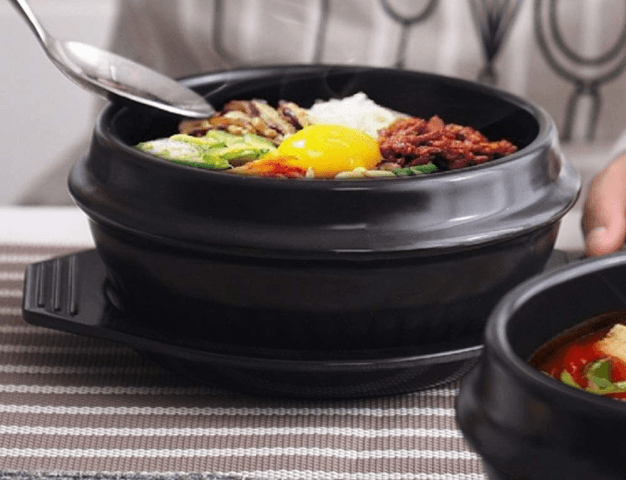
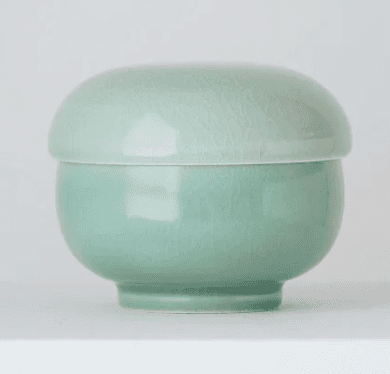
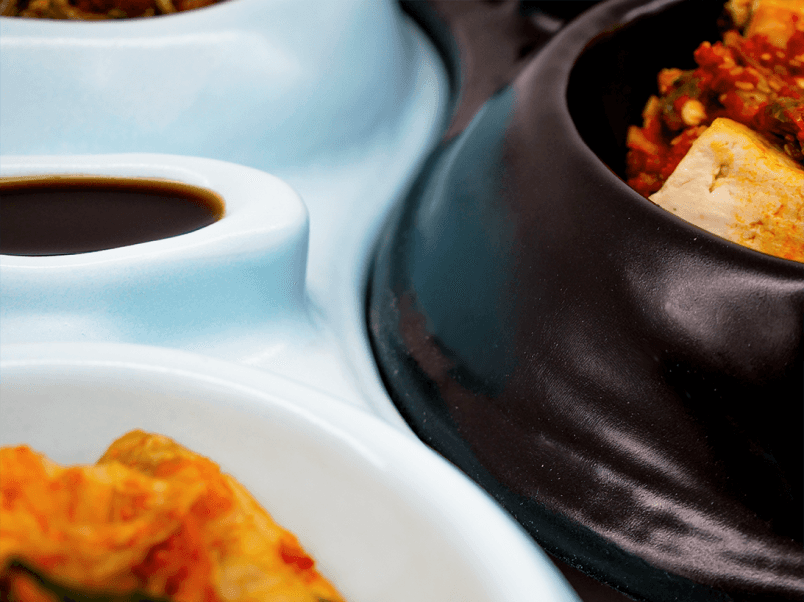
The shape and colors were inspired by the cheongja ceramic and dolsot stone bowl, the most common types of traditional dishware in Korea.
The shape and colors were inspired by the cheongja ceramic and dolsot stone bowl, the most common types of traditional dishware in Korea.
The shape and colors were inspired by the cheongja ceramic and dolsot stone bowl, the most common types of traditional dishware in Korea.
CONTEXT
SHIKSA IS READY
The shiksa (식사), a traditional Korean meal with over two thousand years of history, is a feast for the senses and a deeply communal experience.
Year
Duration
Location
Instructors
2024
4 Weeks
Brooklyn, New York
George Eistreich
YOURI
A modern solution to a centuries-old tradition of Korean dining
IDEATION
DESIGN ON TRADITION
Inspired by the jaengban tray, the design explores a singular tableware piece that consolidates all the shared elements of the meal.
Echoing the floral patterns of dancheong, the traditional Korean art in palaces and temples, the structure optimizes space and movement for the diners.
PROCESS
SCALABLE DESIGN
Designed with mass production and stack-ability in mind, the food tray avoids undercuts to accommodate manufacturing processes such as compression molding and vacuum forming, with the latter serving as the final test of the prototype’s feasibility.
Turntables beneath the trays allow the two to rotate like gears, supporting additional main and side dishes for larger parties.
FINAL FORM
RITUAL IN MOTION
In an increasingly fast-paced world where modern life and work can feel isolating, the Youri becomes a vessel to connect with family, friends, and colleagues through rich Korean etiquette.
The Youri reduces physical complexities, keeping attention on the meal and conversation, while preserving social ritual through the collective coordination of rotating dishes.
Spacer
Spacer
Entree Plate
Turntable
Turntable
Sauce Dish
Entree Plate
Spacer
Turntable
Banchan Bowl
Sauce Dish
Year
2024
Duration
4 Weeks
Location
Brooklyn, New York
Instructors
George Eistreich
For large gatherings, households and restaurants typically array multiple gyojasang—low, folding tatami tables—in a single line, spreading dishes across them.
Although the abundance of the shiksa is its unique appeal, the sheer number of plates introduces frictions that can detract from the experience.
IDEATION
DESIGN ON TRADITION
Inspired by the jaengban tray, the design explores a singular tableware piece that consolidates all the shared elements of the meal.
Echoing the floral patterns of dancheong, the traditional Korean art in palaces and temples, the structure optimizes space and movement for the diners.
PROCESS
SCALABLE DESIGN
Designed with mass production and stack-ability in mind, the food tray avoids undercuts to accommodate manufacturing processes such as compression molding and vacuum forming, with the latter serving as the final test of the prototype’s feasibility.
Turntables beneath the trays allow the two to rotate like gears, supporting additional main and side dishes for larger parties.
Entree Plate
Sauce Dish
Banchan Bowl
FINAL FORM
RITUAL IN MOTION
In an increasingly fast-paced world where modern life and work can feel isolating, the Youri becomes a vessel to connect with family, friends, and colleagues through rich Korean etiquette.
The Youri reduces physical complexities, keeping attention on the meal and conversation, while preserving social ritual through the collective coordination of rotating dishes.
The Youri reduces physical complexities, keeping attention on the meal and conversation, while preserving social ritual through the collective coordination of rotating dishes.
FINAL FORM
RITUAL IN MOTION
In an increasingly fast-paced world where modern life and work can feel isolating, the Youri becomes a vessel to connect with family, friends, and colleagues through rich Korean etiquette.
The Youri reduces physical complexities, keeping attention on the meal and conversation, while preserving social ritual through the collective coordination of rotating dishes.
The Youri reduces physical complexities, keeping attention on the meal and conversation, while preserving social ritual through the collective coordination of rotating dishes.
In an increasingly fast-paced world where modern life and work can feel isolating, the Youri becomes a vessel to connect with family, friends, and colleagues through rich Korean etiquette.
FINAL FORM
RITUAL IN MOTION
A CNC-machined mold was fabricated to withstand the pressure of the vacuum former, onto which a sheet of ABS plastic was formed.
Table space is optimized with the sauce dishes nestled between the bowls, while the curved edges make it easy to place other dishes or Youri’s beside them.
Jang - Dipping sauces
Jang - Dipping sauces